

The take-home is a different game from the live round
A take-home and a live coding round look similar — build a thing — but they reward opposite behaviours, and strong candidates underperform by playing one like the other. The live round rewards thinking out loud under time pressure: rough is fine, narration is everything, done-ish beats silent-and-perfect. The take-home rewards the inverse: polish, structure, and judgement, evaluated cold from the artifact alone, with no narration to explain it. In a take-home nobody hears you reason, so the code, the tests, the README, and the boundaries have to reason for you. The skill is recognising which game you are in and playing it deliberately.
The artifact is the only thing that speaks
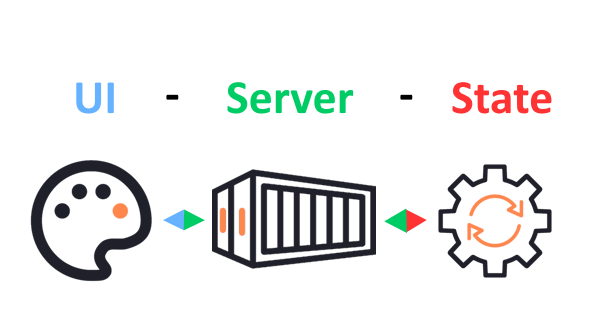
Because a reviewer reads a take-home cold, everything you would say in a live round has to be written into the submission. Structure the project the way a real codebase is structured, not as one long file; the folder layout is itself a signal:
src/
  ui/            presentational components (no fetching)
  containers/    where data enters
  state/         reducers, selectors
  lib/           pure helpers
  App.test.jsx   real assertions, not a smoke test
README.md        setup, decisions, trade-offs, known limits
A clean structure says “I know where things belong” without you being in the room to say it.
Tests and a decisions note do the narrating
In a live round you narrate trade-offs out loud; in a take-home you write them down. A short “Decisions” section in the README and a handful of meaningful tests are how your reasoning reaches the grader:
// tests are your narration in a take-home: they show what you thought mattered
test("filters are debounced and case-insensitive", async () => {
  render(<Search />);
  await userEvent.type(screen.getByRole("searchbox"), "AbC");
  await waitFor(() => expect(api.search).toHaveBeenCalledWith("abc"));  // one call, lowercased
});
That test says, without a word spoken: “I chose to debounce, I made search case-insensitive, and I verified both.”
Judgement is knowing when to stop
The trap that sinks strong candidates is treating a take-home as unbounded and over-building — a state library for a three-screen app, an abstraction for a case that appears once. The judgement being measured includes scope: solve the problem well, make it accessible and tested, and then stop, noting further steps in the README rather than building them. Timebox yourself honestly (most take-homes state an expected effort — respect it, and if you exceed it, say so), because a reviewer can tell the difference between “finished cleanly in the time” and “spent a weekend gold-plating.” Play the take-home for polish, structure, tests, and restraint — the opposite of the live round’s rough-and-fast narration — and you convert the same skills into the signal this game rewards. The data-table-sort and accessible-combobox exercises make good take-home-style pieces precisely because finishing them well — tested, accessible, and scoped — is where the judgement shows.